
Determining Car Accident Fault By Location Of Damage
Wyoming is a fault-based state, meaning car crash victims can file claims with the at-fault driver’s insurer. To recover compensation for injuries and property damage, the claim must prove that the insured driver’s negligence caused the collision.
Thus, fault is the central issue in most car accident cases. An experienced attorney from Bachus & Schanker uses evidence, including eyewitness testimony, photos of the crash scene, and expert analysis, to prove fault and recover accident compensation.
What Does The Location Of Vehicle Damage Tell You About How A Car Accident Happened?
When analyzing a car accident, determining fault by location of damage can be critical to the claim.
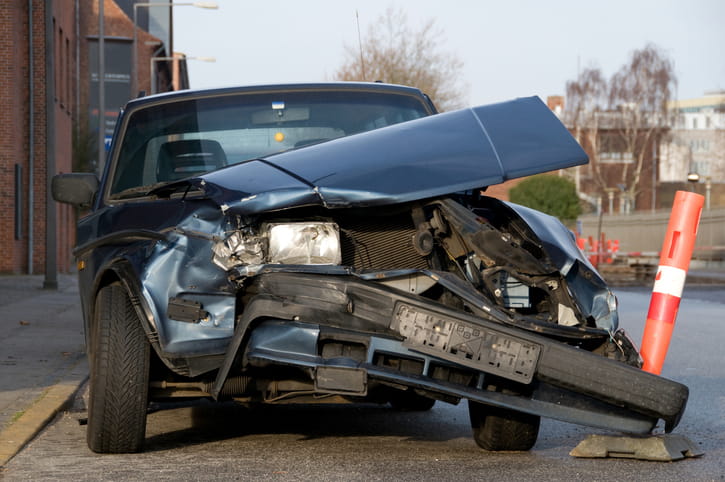
Photos of the vehicle damage can tell you the speed and direction of the vehicles at the instant of the collision.
From this information, you can determine the following:
- Collision angle
- Collision velocity
- Sequence of events
- Initial point of impact
- Drivers’ actions before, during, and after the crash
Some of this information can be observed directly from the crash damage. For example, damage to the front of one vehicle and the side of the other tells you that the accident involved a side-impact collision. Moreover, it tells you that the vehicle with damage to its side was already in the intersection before the other driver struck it.
Other information can also be inferred from the crash damage. For example, skid marks on the pavement and crash damage on the right front fender might tell you that the vehicle’s driver slammed on the brakes and swerved to the left immediately before impact.
Can Damage Location Help Determine Who Is At Fault In A Wyoming Car Accident?
Under Wyoming law, fault in a car accident falls on the party who acted negligently. Thus, to prove fault, a crash victim must have evidence of the following four elements:
- Duty of care
- Breach of that legal duty
- Losses
- Causal connection between the breach and the losses
All Wyoming drivers have a legal duty to drive with the caution expected of an ordinary driver. This duty is measured objectively based on what the jury believes a reasonably prudent driver would have done in the same situation.
Vehicle crash damage is relevant to proving the final three elements. A driver breaches the duty of care when they act in an unreasonably dangerous way. You then prove this element by showing that the other driver violated traffic laws or did something else that was unreasonably risky.
Thus, crash damage can show who had the right-of-way and who violated the right-of-way rules. It can also show whether either driver was turning. Additionally, it can prove that the driver was speeding. From this, you can infer which driver took an unreasonable risk.
The location of crash damage may also prove causation. Specifically, vehicle collision damage can show which driver moved first. You can also use collision damage to determine whether either driver was distracted, based on whether anyone tried to avoid the impending crash.
Finally, the crash damage proves the losses. A claimant can pursue compensation for the cost of repairing or replacing their vehicle. Is the car with more damage at fault? Not necessarily, but severe damage might explain the value of the claimed property losses.
Additionally, the crash damage can support the claimant’s injury claim. More extensive damage can prove severe injuries. These damages can include medical bills, lost income, and pain and suffering.
Since Wyoming’s constitution prohibits the legislature from capping personal injury damages, you can pursue compensation for all the losses you incurred.
What Do Different Types Of Vehicle Damage Indicate?
Different types of vehicle damage can explain how a crash occurred and how the injuries were sustained.
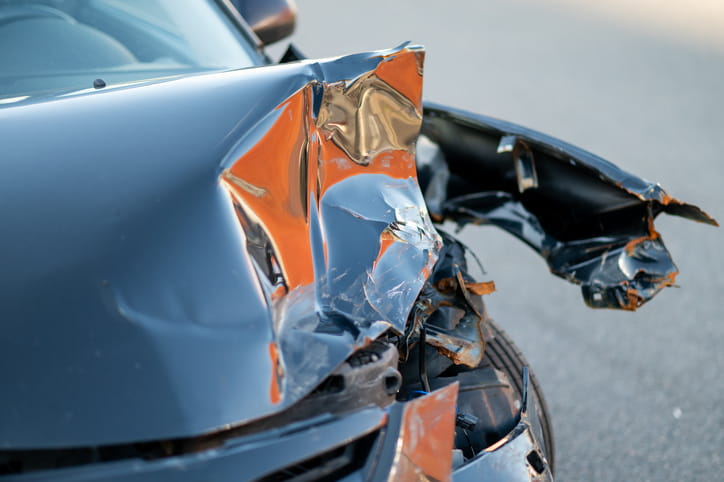
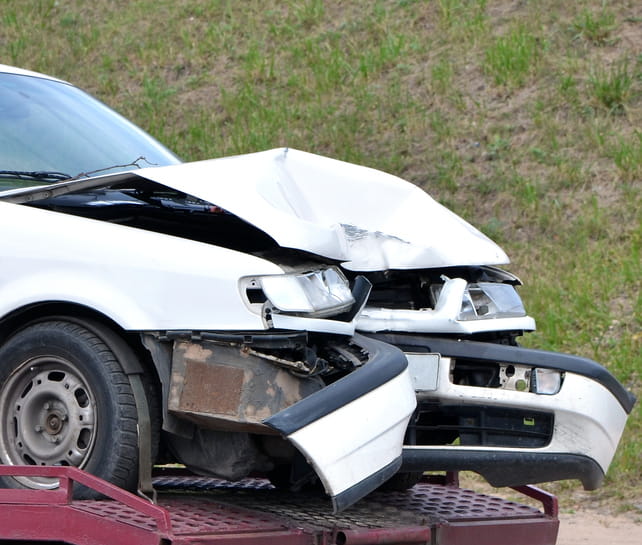
- Front damage shows that a driver was proceeding straight at the time of the collision. In some cases, this may be relevant to proving whether a driver saw the other vehicle before the crash. It can also show which driver had the right-of-way.
- Rear damage often establishes a strong presumption of fault by the other driver. The liability for rear-end collisions almost always falls on the driver of the rear vehicle because they must follow at a safe distance and speed.
- Side-impact damage shows that the vehicle was in front of the other vehicle when the collision occurred, which can indicate the sequence of events before a crash.
- Corner damage typically shows that one or both of the vehicles were turning immediately before the impact. This might be relevant if a driver claims that they tried to avoid the collision by swerving. It can also show which driver was turning during an intersection crash.
How Do Insurance Companies Use Vehicle Damage When Investigating Fault?
Insurers will often use vehicle damage to investigate whether both drivers are to blame for an accident. Under Wyoming Statutes section 1-1-109, a victim can seek compensation for an accident, as long as they are 50% or less at fault.
A claims adjuster may use photos of the crash damage to determine whether to assign any fault to the claimant. If the insurer determines that the claimant was partially at fault, it can reduce the insurance payout. If the insurer determines that the claimant was more than 50% at fault, it can deny the claim.
What Other Evidence Is Used To Determine Liability Besides Vehicle Damage?
Vehicle damage is rarely used by itself to prove fault. Instead, a car accident lawyer will also use eyewitness testimony, including the testimony of both drivers, and physical evidence, such as photos of skid marks, to prove what occurred.












Can Vehicle Damage Alone Prove Fault In A Car Accident?
Vehicle damage can prove fault. However, it might not readily explain what occurred before, during, and after a crash. As a result, a lawyer may hire an accident reconstruction expert to analyze the crash damage and explain what happened to the insurer or a jury.
What Should You Do If Fault Is Disputed After An Accident?
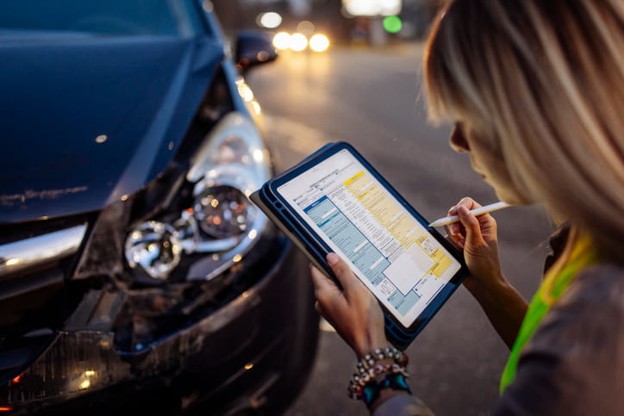
Preparation can be critically important to any accident claim. Always try to take photos and videos of the crash damage at the scene. In many cases, the location of the vehicles is just as important as the location of the crash damage.
If the other driver disputes fault, consider contacting a lawyer to develop a legal strategy, such as collecting witness statements, to prove your version of the events.
How Can A Wyoming Car Accident Lawyer Help Investigate Fault And Build Your Claim?
A Wyoming car accident lawyer has experience investigating fault and gathering evidence to support your claim. These skills can be important when vehicle damage, by itself, is inconclusive. In these cases, the lawyer can weave together a story using vehicle damage, along with other evidence to support your accident case.
Related Car Accident Resources

#1 Amazon Best Seller in the Legal Industry
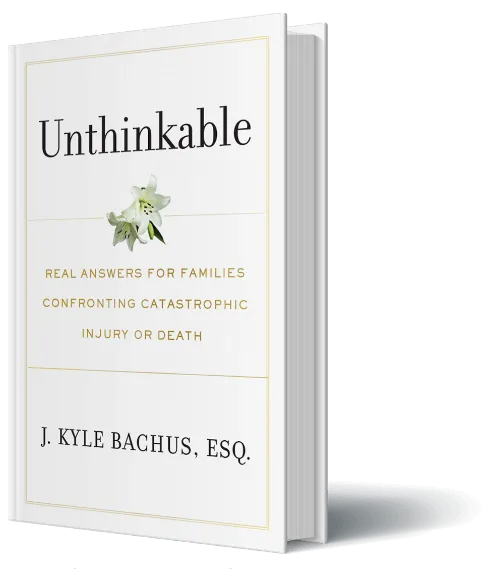
Attorney Kyle Bachus knows first-hand how difficult it can be to suddenly lose a loved one in an accident. It’s also devastating when you or a family member suffers severe injuries that forever change your lives. Kyle wrote this book as a resource from his personal experience for families who have suffered a traumatic loss.
A Spanish edition of the book is also available, offering the same support and guidance to Spanish-speaking families.
You Deserve Fair Compensation
Don’t let the insurance companies intimidate you into accepting less than you deserve. We’re ready to fight for you.